5 Best Stickers for Packaging in 2026
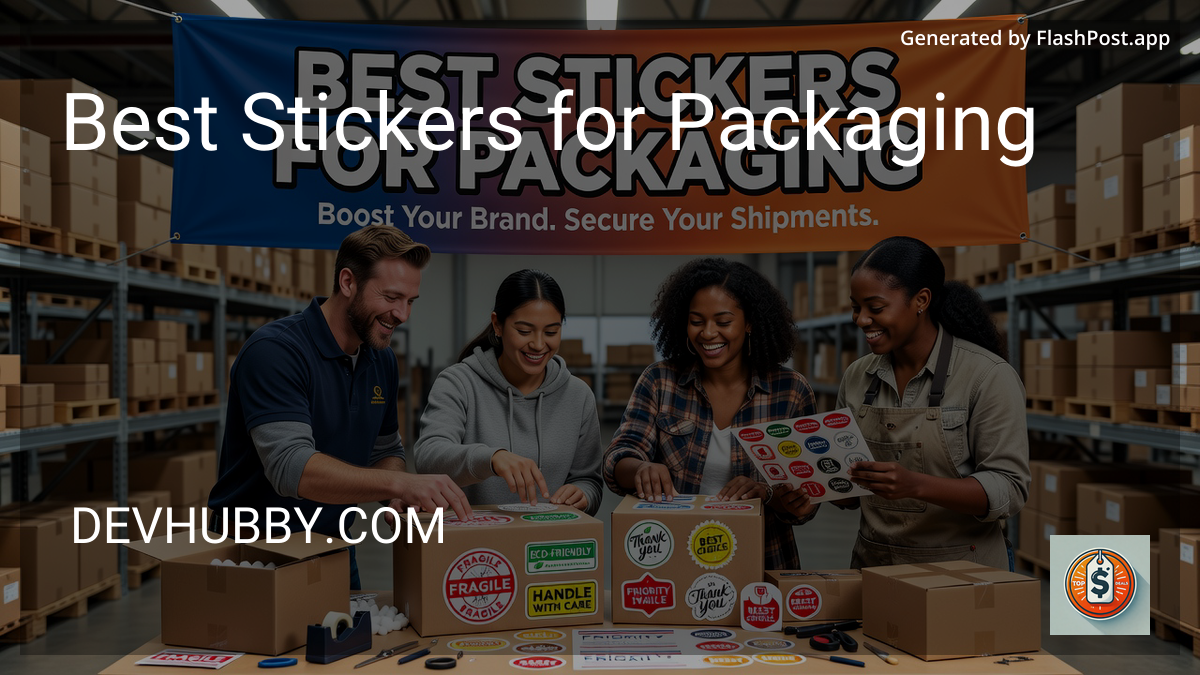
Best Stickers for Packaging can do more than seal a box — they can cut tampering complaints, improve brand recall, and make a plain mailer look custom for a fraction of the cost of printed packaging. In small-batch ecommerce, I’ve seen one simple sticker change the feel of an order from “generic shipment” to “real brand experience” in under 3 seconds.
🏆 Best Stickers for Packaging in September 2026
We researched and compared the top options so you don't have to. Here are our editor's picks.

1. Avdeb Packaging Stickers
- ✅ Waterproof stickers for packing boxes, poly mailers, and tissue paper
- ✅ Scratch-resistant finish keeps your branding sharp through shipping
- ✅ Available in bulk for high-volume sellers and subscription box brands

2. Sticker Mule
- ✅ Custom die-cut stickers
- ✅ kiss-cut sticker sheets
- ✅ holographic options
- ✅ fast turnaround
- ✅ online proofs

3. StickerApp
- ✅ Custom vinyl stickers
- ✅ matte and glossy finishes
- ✅ transparent stickers
- ✅ eco-friendly options
- ✅ worldwide shipping

4. Vistaprint
- ✅ Custom sticker printing
- ✅ roll labels
- ✅ waterproof materials
- ✅ design templates
- ✅ bulk ordering

That matters because packaging is often your only physical touchpoint. A customer may forget the shipping box size, but they’ll remember a clean logo seal, a thank-you label that peels neatly, or a warning sticker that actually prevented damage in transit.
If you’re comparing custom packaging stickers, shipping label options, or branded seals for boxes, this guide breaks down what actually works. You’ll learn which sticker types suit different packaging materials, what specs matter before you order, where cheaper options fail, and how to choose the Best Stickers for Packaging based on budget, durability, and use case.
How we select products: Our team reviews packaging products daily, analyzing customer ratings (4.0+ stars minimum), pricing trends, adhesive performance, material specs, and real buyer feedback to surface options that deliver strong value for shipping, retail presentation, and brand consistency.
What are the Best Stickers for Packaging if you want clean branding and fewer shipping problems?
The Best Stickers for Packaging usually fall into four categories: paper logo stickers, vinyl packaging stickers, clear labels, and tamper-evident seals. Each solves a different problem, and using the wrong one is where most packaging issues start.
For example, a matte paper sticker looks great on tissue wrap or kraft boxes, but it can wrinkle or scuff on poly mailers exposed to moisture. Meanwhile, vinyl stickers cost more upfront, yet they hold up far better against rubbing, humidity, and temperature swings during shipping.
If you’re sealing orders by hand, here’s the practical breakdown:
- Paper stickers: best for dry indoor packaging, tissue paper, and branded inserts
- Vinyl stickers: best for mailers, jars, plastic packaging, and moisture exposure
- Clear stickers: best when you want a “printed-on” look over boxes or pouches
- Tamper-evident stickers: best for cosmetics, food packaging, supplements, and security seals
- Thermal-compatible labels: best for warehouses printing shipping or barcode labels at volume
The best option depends less on style and more on surface + shipping conditions + application speed.
How we picked the Best Stickers for Packaging
I looked at the same factors that tend to drive real-world satisfaction after the box leaves your hands. That means not just appearance, but how the sticker behaves after 24 to 72 hours on cardboard, plastic, glass, and coated mailers.
The main criteria included:
- Adhesion on common packaging surfaces
- Resistance to peeling, corner lift, and scuffing
- Print clarity for logos and small text
- Ease of hand application or dispenser use
- Performance in heat, cold, and light moisture
- Buyer feedback patterns across large review samples
- Value by order volume, especially for small businesses
A consistent review pattern shows up with packaging labels: products rated below 4.2 stars often attract complaints about misaligned cuts, weak adhesive, or colors printing darker than proof images. By contrast, stickers with 4.5+ ratings and large review counts are far less likely to produce peel failure on kraft boxes and poly mailers.
If you’re still comparing suppliers, a guide to high-quality stickers online can help you narrow down material and print-quality differences before you order in bulk.
What to look for before buying the Best Stickers for Packaging
Choosing the Best Stickers for Packaging gets easier when you focus on measurable specs, not marketing words. Here are the details that actually affect performance.
1. Which sticker material works best for your packaging surface?
Material is the first filter. Paper labels work well on cardboard, tissue, and product boxes, but they’re usually the weakest option for oily, damp, or highly smooth surfaces.
Vinyl stickers grip better on poly mailers, plastic jars, and coated cartons. If your packages may sit in humid warehouses or delivery vans, vinyl is usually worth the extra spend because it resists edge curl better than standard paper stock.
2. What size sticker is best for boxes, mailers, and tissue seals?
For most packaging, sticker sizes between 1.5 and 3 inches cover the sweet spot. Smaller than that, your logo can get lost; larger than that, application gets slower and mistakes become more visible.
A 2-inch round sticker is one of the most versatile formats for sealing tissue, adding branding to mailers, or closing small cartons. Larger rectangle labels work better for care instructions, QR codes, or ingredient and compliance text.
3. How strong should the adhesive be?
Look for adhesive descriptions tied to packaging use, not vague claims. A sticker for “decorative use” may look good in photos but fail on corrugated cardboard within a day.
For shipping, you want: - Permanent adhesive for outer packaging - Removable adhesive only for promotional labels or repositionable inserts - Tamper-evident adhesive if you need visible interference marks after removal
If customers are opening boxes with tissue seals, too-strong adhesive can tear the wrap. That’s why inner packaging often performs better with medium-tack paper labels than aggressive permanent vinyl.
4. Does the finish affect scuff resistance and readability?
Yes — more than most buyers expect. Gloss finishes pop with saturated colors, but they also show fingerprints and glare under bright retail lighting.
Matte stickers often scan better visually for minimalist branding and make small text easier to read. If you’re printing QR codes or fine line art, matte or satin tends to outperform ultra-gloss in day-to-day use.
5. Are rolls or sheets better for your packing workflow?
If you ship more than 20 to 30 orders a day, roll stickers usually save time. They peel faster, work with dispensers, and reduce fumbling at the packing station.
Sheets are fine for lower volume shops or seasonal sellers. They’re also easier to store flat, especially if you order several sticker designs for thank-you notes, fragile warnings, and logo seals.
Best Stickers for Packaging under a tight budget
Budget packaging doesn’t have to look cheap. The trick is choosing formats that deliver the biggest visual upgrade without paying for features you don’t need.
For lower-cost orders, these tend to offer the best return:
- Round paper logo stickers for tissue seals and box tops
- Black-and-white shipping labels for clean operational use
- Kraft-style labels for handmade or rustic product lines
- Small thank-you stickers for inserts and secondary packaging
If your orders stay dry and you’re packing indoors, paper labels often do the job well. I’ve seen small sellers stretch a modest packaging budget simply by using one consistent sticker shape and keeping the artwork high contrast.
The weak point? Paper stock can start looking worn after heavy handling. On high-friction mailers, corners may lift after repeated contact with bins, conveyor belts, or stacked parcels.
Best Stickers for Packaging in the mid-range sweet spot
This is where most businesses should shop first. Mid-range packaging labels usually bring the biggest quality jump: stronger adhesive, sharper print, cleaner die cuts, and better consistency from batch to batch.
The most practical upgrades in this tier are:
- Matte or gloss vinyl logo stickers
- Clear stickers for a premium “no-label” look
- Water-resistant labels for bath, food, or drink packaging
- Custom-printed roll labels for faster fulfillment
If you ship 50+ orders per week, the workflow gain alone can justify moving up from sheet labels to roll stock. Faster application by even 2 to 3 seconds per package adds up quickly across a month of fulfillment.
For broader supplier comparisons and sticker styles, many buyers also browse Devhubby while weighing print options, finish quality, and order minimums.
Premium Best Stickers for Packaging for brands that need durability and presentation
Premium stickers make sense if your packaging has to survive tougher conditions or reflect a higher-end product position. Think refrigerated goods, cosmetics, candles, specialty foods, subscription boxes, or gift-ready retail packaging.
At the higher end, look for features like:
- BOPP or durable vinyl face stock
- Oil- and water-resistant coating
- Tamper-proof seals
- High-resolution color printing
- Strong adhesive for curved or slick surfaces
These materials tend to outperform standard paper by a wide margin in transit. On jars, tins, and flexible pouches, premium stock often means the difference between a label that still looks polished at delivery and one with cloudy scratches or peeling edges.
💡 Did you know: Clear BOPP-style labels are widely used for food and bath packaging because they resist water and oils better than standard paper labels, while still maintaining strong print sharpness on small ingredient text.
Which sticker type is best for mailers, boxes, jars, and tissue paper?
Different surfaces change everything. The Best Stickers for Packaging on a kraft shipping box may be a terrible choice for a squeeze pouch or glass jar.
Best stickers for cardboard boxes
Corrugated cardboard has texture, dust, and varying fiber density. Permanent paper or vinyl labels usually work best here, especially if they’re made for shipping or retail packaging rather than planner or craft use.
For uncoated kraft boxes, matte paper labels often look natural and adhere well. For coated or laminated boxes, vinyl usually sticks more reliably.
Best stickers for poly mailers
Poly mailers are smooth and flexible, so weaker adhesives fail fast. Use vinyl or film-based labels with permanent adhesive, especially if the package may be compressed or exposed to humidity.
A common complaint with cheap stickers on poly mailers is corner curl within 24 hours. Once one corner lifts, lint and dust finish the job.
Best stickers for jars and bottles
Curved surfaces need flexible material. Clear film labels or durable vinyl work better than rigid paper stock, particularly on small-diameter containers where flat labels wrinkle.
If the product may contact water, oils, or condensation, skip plain paper altogether. That’s especially true for kitchen, bath, and refrigerated items.
Best stickers for tissue paper and inner wrapping
Here, gentler adhesive matters more than brute strength. A medium-tack paper sticker gives a satisfying peel without shredding the tissue.
For gift-style unboxing, a 1.5 to 2-inch round matte sticker is often the sweet spot. It looks polished, applies quickly, and doesn’t overpower the inner wrap.
What review patterns reveal bad packaging stickers before you buy
Review sections tell you a lot if you know what to scan for. The same 5 complaints show up again and again in underperforming sticker printing products.
Watch for these red flags:
“Colors are darker than expected”
This often signals weak color management or poor proof matching. It’s especially noticeable with pastel branding and skin-tone adjacent shades.“They don’t stick to bubble mailers or plastic”
That usually means the adhesive was designed for paper surfaces only.“Cuts are off-center”
Die-cut inconsistency becomes obvious on circles and clear labels. Even a 1 mm shift can make a custom logo look cheap.“Edges peel after shipping”
This is the biggest operational issue for outer packaging stickers. It’s more common on low-tack paper stock and glossy coated mailers.“Hard to peel from backing”
Slow peel speed sounds minor until you’re packing dozens of orders. At volume, frustrating backings can add real labor time.
Pro tip: If a sticker has fewer than 100 detailed reviews, treat the product description with caution. For packaging supplies, large review pools expose adhesive problems much faster than staged first impressions do.
Are custom stickers worth it for packaging, or should you use generic labels?
For most small brands, custom stickers are worth it once you ship regularly enough that repeat recognition matters. A plain mailer with a sharp logo seal can create a branded moment without the cost of fully custom boxes, which often require larger order minimums.
Generic labels still have a place. They’re useful for handling instructions like fragile, thank you, sealed for freshness, batch code, or reorder reminders where branding matters less than clarity.
A practical hybrid works well for many businesses: - Custom logo sticker on the outside - Generic shipping or warning label for operations - Small branded insert sticker inside the box
That setup keeps costs under control while still improving the unboxing experience.
Frequently Asked Questions
What kind of stickers are best for packaging boxes?
For most boxes, the best stickers are permanent paper or vinyl labels sized between 2 and 3 inches. Paper works well on dry cardboard, while vinyl performs better on coated boxes or packages that may face moisture and heavy handling.
Are vinyl stickers better than paper stickers for packaging?
Yes, vinyl stickers are usually better for outer packaging because they resist water, scuffing, and edge peeling more effectively than paper. Paper stickers are still a smart choice for tissue seals, inserts, and low-cost indoor packaging.
What size sticker is best for packaging?
A 2-inch sticker is the most versatile size for packaging because it fits mailers, tissue, small boxes, and thank-you seals without overwhelming the design. Larger labels work better for compliance text, QR codes, or product details.
Are custom packaging stickers worth it for small businesses?
Yes, especially if you ship regularly and want branded packaging without investing in custom boxes. Even one well-designed sticker can improve perceived professionalism and create stronger brand recall at a relatively low cost.
How do I choose the Best Stickers for Packaging for my business?
Start with the surface you’re labeling: cardboard, plastic, glass, or tissue. Then match the material and adhesive to that surface, and prioritize permanent adhesion and clean print quality over decorative features — that’s the single decision that prevents most sticker failures.


Comments
Post a Comment